
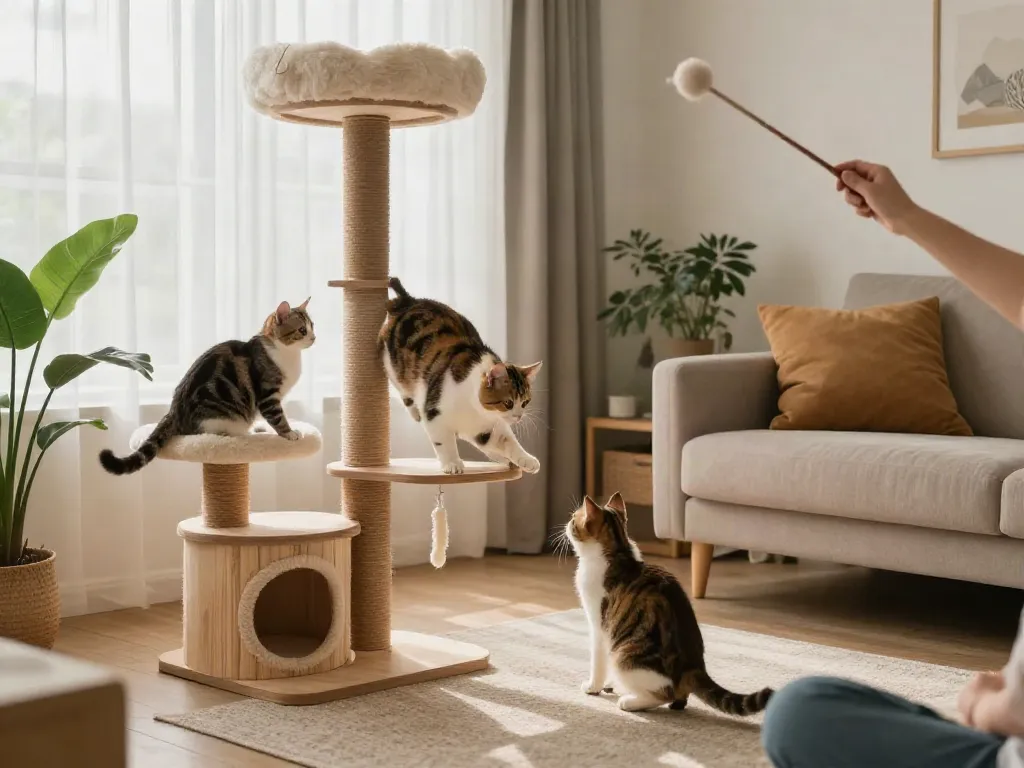
The Benefits of Cat Trees for Feline Well-being
For cat owners, providing a stimulating environment for their furry friends is essential. Cat trees play a pivotal role in enhancing the physical and mental well-being of cats. These structures not only serve as climbing apparatus but also as safe havens where cats can lounge, play, and scratch, fulfilling their natural instincts. When exploring options, cat trees offer a variety of designs and features that cater to different feline needs, making them an invaluable addition to any home.
How Cat Trees Promote Physical Health
Physical health is a cornerstone of a cat's overall well-being, and cat trees contribute significantly to this aspect. By providing vertical space, these structures encourage cats to climb, jump, and engage in exercise that helps maintain a healthy weight.
- Climbing Opportunities: Cats are natural climbers, and a sturdy cat tree allows them to practice this behaviour safely indoors.
- Muscle Development: Regular exercise through climbing strengthens muscles, contributing to better mobility and agility.
- Weight Control: Active cats are less likely to become overweight, reducing the risk of health issues associated with obesity.
Mental Stimulation through Exploration
Cat trees also serve as platforms for mental stimulation. The multi-level designs create an environment that invites cats to explore. Different heights and angles allow cats to satisfy their curiosity and instinctual behaviours.
- Varied Heights: Cats enjoy surveying their territory from different vantage points, which a cat tree facilitates.
- Interactive Features: Many cat trees come equipped with dangling toys and scratching surfaces that provide sensory engagement.
- Hideaways: Enclosed spaces in cat trees offer a sense of security, encouraging exploration and play.
Creating a Safe Space for Cats
Every cat needs a retreat. Cat trees can serve as safe zones where they can escape and relax. The elevation provided by these trees can make cats feel secure, reducing stress and anxiety in multi-pet households.
Types of Cat Trees: Finding the Right Fit
When it comes to cat trees, not all are created equal. Understanding the various types and styles can help pet owners choose the right one for their feline companions. Factors such as size, design, and material should be considered for optimal use.
Different Styles and Designs of Cat Trees
Cat trees come in various designs to suit the preferences of both cats and their owners. Here are some popular styles:
- Traditional Cat Towers: Often tall with multiple platforms, these trees offer extensive climbing options.
- Wall-Mounted Trees: Perfect for smaller spaces, these trees save floor space while providing vertical climbing opportunities.
- Multi-Level Condos: These often combine sleeping areas with platforms, ideal for lounging and observing.
Features to Consider for Large Cats
Not all cat trees are suitable for larger breeds. When selecting a cat tree for bigger cats, consider the following:
- Weight Capacity: Ensure that the tree can support the weight of larger breeds without tipping.
- Sturdy Construction: Look for materials like solid wood or reinforced platforms for enhanced stability.
- Spacious Platforms: Cats need enough space to comfortably lounge without feeling cramped.
Comparing Prices: Budget vs. Premium Options
Cat trees can vary significantly in price, from budget-friendly options to high-end models. It's essential to evaluate what features are most important. While budget trees may suffice for occasional use, investing in a higher-quality tree can offer durability and comfort that benefits your cat in the long term.
Common Misconceptions about Cat Trees
Despite their popularity, several myths surrounding cat trees can mislead pet owners about their importance and effectiveness.
Debunking Myths: Do Cats Really Need Cat Trees?
One common misconception is that cat trees are unnecessary luxuries. In reality, they provide essential physical and mental stimulation that indoor cats require for a healthy lifestyle.
Are Cat Trees Only for Indoor Cats?
Another myth is that cat trees are exclusively for indoor cats. Outdoor cats can benefit from having a designated space for climbing and resting, especially when they come indoors.
Understanding Cat Preferences: Not Every Tree is Equal
Cat preferences can vary widely; some cats may love climbing, while others prefer lounging. It's important to observe your cat's behaviour to select the right type of tree.
Maintaining and Caring for Cat Trees
Proper care and maintenance can extend the life of your cat tree and ensure a clean and inviting environment for your feline friend.
Regular Maintenance Tips for Longevity
Regularly inspect the cat tree for any signs of wear and tear. Tighten screws, check for loose parts, and replace any damaged components to ensure safety.
Cleaning and Hygiene: Keeping Your Cat Tree Fresh
Cleaning is essential to maintain hygiene. Use a vacuum to remove hair and debris, and wipe surfaces with pet-safe cleaning solutions to eliminate bacteria.
Repairing or Upgrading Your Cat Tree
When damage occurs, minor repairs can often prolong the life of a cat tree. Additionally, consider upgrading features such as scratching posts with thicker sisal rope for durability.
The Future of Cat Trees: Innovations and Trends for 2026
The cat furniture industry continues to evolve with new designs and technologies that enhance the experience for both cats and their owners.
Smart Cat Trees: Integrating Technology
Innovative designs now incorporate technology, such as motion sensors and interactive features that engage cats and monitor their activity levels.
Eco-Friendly and Sustainable Materials
As sustainability becomes a priority, more manufacturers are creating cat trees from recycled or sustainably sourced materials, appealing to environmentally conscious pet owners.
Design Trends: Blending Cat Furniture with Home Decor
Modern cat trees are increasingly designed to complement home interiors, making them not only functional but also stylish additions to living spaces.
What are the Best Cat Trees for Large Cats?
When choosing cat trees for larger breeds, look for models with reinforced bases and extra-wide platforms to accommodate their size comfortably.
How do Cat Trees Benefit Multiple Cat Households?
In homes with multiple cats, having several levels and hiding spots allows each cat to claim their territory without conflict, promoting harmony.
Can Cat Trees Help with Behavioural Issues?
Providing a dedicated area for climbing and scratching can help mitigate behavioural problems related to boredom and stress.
Are Any Cat Trees Specifically Designed for Kittens?
Many manufacturers offer cat trees with lower heights and soft materials suitable for kittens, giving them a safe space to explore.
How do Cat Trees Compare to Other Enrichment Options?
While other enrichment options, such as toys and climbing shelves, can stimulate cats, cat trees offer a unique vertical space for climbing and scratching.
What are the Best Brands for Cat Trees Currently?
Some top brands in the market for cat trees include Frisco, Vesper, and Armarkat, known for their sturdy, well-designed products that cater to different needs.