
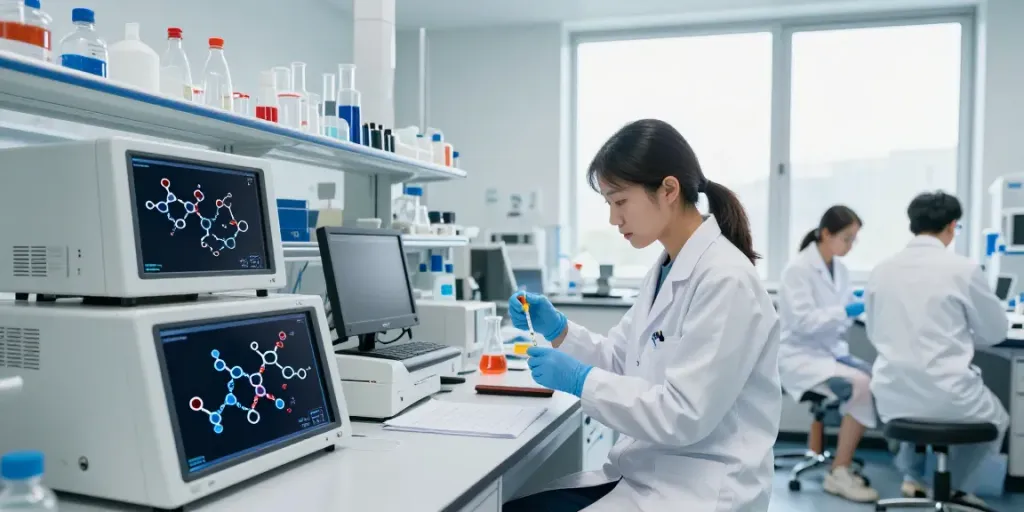
Understanding the Peptide Swap Process
The concept of peptide swap has garnered significant interest in the biomedical realm due to its potential to revolutionize therapeutic strategies. Peptides, which are short chains of amino acids, play vital roles in various biological processes including signaling, immune responses, and cellular repair. Understanding how peptide swap mechanisms function can lead to innovations in drug development and precision medicine. This article will delve into the mechanisms of peptide swaps, their applications in healthcare, and the challenges faced by researchers and practitioners.
What Is Peptide Swap?
A peptide swap refers to the process of exchanging one peptide for another within biological systems. This can occur naturally, as part of immune responses, or can be engineered in laboratory settings for therapeutic purposes. Peptide swaps can alter the biological activity of compounds, enticing researchers to explore their potential in drug design and development. By modifying peptide sequences, scientists aim to enhance efficacy, reduce side effects, and create personalized medicines tailored to individual patient needs.
How Peptide Swaps Work in Biotechnology
In biotechnology, peptide swaps utilize techniques such as solid-phase peptide synthesis and phage display to create diverse peptide libraries. This allows scientists to screen for peptides that exhibit desired biological activities, such as binding to specific receptors or modulating immune responses. During this process, variations in amino acid sequences lead to altered properties, making certain peptides more effective in clinical applications. The systematic approach to swapping peptides facilitates the development of novel therapeutics targeting specific diseases.
Key Applications in Medical Research
Peptide swaps serve as a foundation for numerous medical research applications, particularly in drug discovery and development. For instance, scientists employ peptide swaps to improve the stability and efficacy of therapeutic agents. Additionally, they help in investigating the mechanisms of diseases, leading to the identification of biomarkers that can predict disease progression and treatment response. These applications set the stage for groundbreaking advancements in treatment protocols across various medical disciplines.
Benefits of Advanced Peptide Swaps
Advanced peptide swaps provide numerous benefits that extend beyond basic research. They enable not just improved drugs, but more effective therapies tailored to the complexities of human health.
Enhanced Drug Development
One of the most significant advantages of peptide swaps is their potential to enhance drug development processes. By creating libraries of peptide variants, researchers can rapidly identify compounds with optimal pharmacological properties. This leads to the creation of drugs that have higher specificity for their targets, improved absorption rates, and minimized adverse effects. As a result, advanced drug development can significantly shorten the timeline for bringing new treatments to market.
Improved Patient Outcomes
Through tailored peptide therapies, patient outcomes can improve markedly. Customized treatments can address the specific needs and profiles of individual patients, reducing the trial-and-error approach often associated with medication prescriptions. Enhanced specificity in drug action translates into better efficacy, fewer side effects, and, ultimately, higher compliance rates among patients.
Tailored Therapeutic Strategies
Peptide swaps allow healthcare providers to optimize therapeutic strategies based on a patient's unique biomarkers and genetic profile. By tailoring treatment plans, clinicians can ensure that they are providing the most appropriate care for their patients. This personalized approach not only improves the effectiveness of treatments but also fosters patient engagement and satisfaction within the healthcare system.
Main Applications in Healthcare
Peptide swaps are instrumental in various healthcare applications, addressing some of the most pressing medical challenges of our time.
Using Peptide Swaps in Cancer Treatment
In oncology, peptide swaps facilitate the development of directed therapies that can specifically target cancer cells while sparing healthy tissue. This unique ability allows researchers to devise peptides that induce apoptosis in malignant cells or enhance the immune system's attack on tumors. The modified peptides can also serve as adjuvants in vaccine development, further strengthening the body's response to cancer antigens.
Applications in Autoimmune Diseases
For patients with autoimmune diseases, peptides can be re-engineered to downregulate inappropriate immune responses. By swapping specific amino acids in crucial immunogenic regions of these peptides, researchers hope to develop therapies that mitigate the actions of the immune system without fully suppressing it. This could represent a turning point in treating conditions such as rheumatoid arthritis, lupus, and multiple sclerosis.
Peptide Swaps in Infection Control
In the realm of infectious diseases, peptide swaps can lead to more effective antibiotics and antivirals. Researchers are exploring how specific peptide modifications can enhance the ability of drugs to combat resistant strains of bacteria and viruses. These advancements are crucial in addressing the growing public health concern of antibiotic resistance, ultimately resulting in better outcomes for patients with infectious diseases.
Challenges and Considerations
While peptide swaps present many opportunities, several challenges must be addressed to fully exploit their potential in healthcare.
Ethical Considerations in Peptide Research
As with any advancements in biotechnology, ethical considerations arise. There is a need for transparency in the research processes, especially when clinical trials are conducted. Protecting patient data and ensuring informed consent are essential components of ethical peptide research. Researchers must continually revisit ethical standards as they evolve alongside scientific advances.
Regulatory Aspects of Peptide Swaps
Given the innovative nature of peptide swaps, they must navigate a complex landscape of regulatory requirements. Clear guidelines are necessary to ensure that peptide-based therapies meet safety and efficacy standards. Regulatory bodies like the FDA are essential in overseeing the development and approval of these therapies, thus ensuring public safety without stifling innovation.
Technical Challenges in Implementation
Implementing peptide swap technologies in clinical settings faces various technical hurdles. These include optimizing the synthesis and purification of peptides, ensuring their stability in vivo, and overcoming biological barriers to effective delivery. To address these challenges, multidisciplinary collaborations among chemists, biologists, and clinicians are vital to develop robust solutions.
Future Trends in Peptide Swaps
Looking ahead, several trends are anticipated to shape the future of peptide swaps in healthcare.
Innovative Approaches in 2026
As research in peptide swaps progresses, innovative technologies such as AI and machine learning will likely play a significant role in identifying new therapeutic candidates. These technologies can expedite the design process by predicting peptide interactions and optimizing their formulations. As such, the healthcare sector must adapt to these technological advancements to enhance patient care.
Collaborative Research and Development
The future of peptide swaps will rely heavily on collaborative research efforts that span multiple disciplines. Partnerships between academic institutions, pharmaceuticals, and biotech companies can lead to innovative solutions that translate fundamental research into viable clinical applications.
Patient-Centric Peptide Technologies
In 2026 and beyond, the trend towards patient-centered care will guide the development of peptide technologies. This involves not only tailoring treatments to individual patient profiles but also incorporating patient feedback into the research process itself. Engaging patients in the development of peptide therapies can lead to more relevant and effective healthcare solutions.